
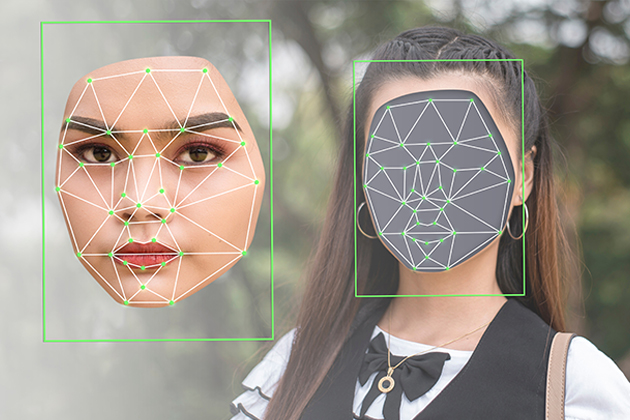
Since their inception, deepfakes have rapidly evolved from novelty filters and viral prank videos into a serious business risk. In 2024 alone, deepfake-driven fraud cost organizations more than $200 million, with attackers now fabricating emails, cloning voices and simulating live video meetings to trigger unauthorized transfers, compromise controls and erode stakeholder trust.
The risk from deepfakes is not just about the volume of attacks, but also their sophistication. For example, following what appeared to be a legitimate video conference with the company’s CFO and other executives, a staff member at the U.K. engineering firm Arup approved transfers totaling approximately $25 million to multiple Hong Kong bank accounts. In reality, the “executives” were deepfakes. In another case in Hong Kong, an employee made 15 transfers worth roughly HK$200 million (approximately $25 million) after a fake executive video call misled her into complying with the “request.”
Synthetic insiders are the latest cyber threat category. These are AI‑crafted personas that convincingly impersonate employees, partners or executives, slipping past traditional verification systems because they look, sound and behave “correctly.”
In the aforementioned Arup scam, the employee approved the funds transfer because the entire scenario—a video conference featuring deepfake avatars of senior leaders and the auditor—looked credible. Rather than a breach of the network, this was a breach of identity. This and other recent events demonstrate that enterprises must pivot from an exclusive focus on perimeter defense governed by firewalls and endpoint protection to identity defense, behavioral verification, biometric signals and cross-channel authentication. Legal and security teams can no longer assume the “insider” is human.
The Hidden Costs of Deepfakes
The collateral damage from deepfakes is often deeper than financial. When partners or clients discover that an organization has been deceived by synthetic content, trust erodes and reputational harm follows. Operational disruption often ensues as fake directives create delays, confusion and fractured workflows. In addition, regulatory exposure from acting on falsified communications can lead to audit failures, litigation and costly penalties. Even internally, employee morale suffers when people can no longer trust the authenticity of their leaders’ voices or messages, fueling anxiety and weakening company culture. Risk leaders must not treat deepfakes as merely an IT problem, but as a systemic enterprise risk that extends across finance, HR, legal, operations and governance.
Building a Synthetic Media Defense
A new playbook is required to detect synthetic media intrusion, which should include:
- Detection technologies: These products can flag inconsistencies in voices, lip‑syncing, lighting, linguistic style, metadata anomalies and sender behavior.
- Multi-channel verification: If the “CFO” sends an urgent video call instruction, validate it via a secondary channel, such as a phone call, secure chat or in-person meeting.
- Real-time response protocols: High-value requests like wire transfers or user credentials should trigger verification steps, hold periods or other forms of oversight.
- Anomaly‑based logging: Collaborate with IT/security to build behavioral baselines such as device used, time zone and tone of the speaker or message, and then flag and investigate any deviations.
- External threat monitoring: Leaked executive voice or video clips are fodder for deepfake training, so monitor the dark web and threat inteligence feeds accordingly.
- Executive deepfake passwords: Establish a verbal or visual “deepfake password” system, such as a previously agreed-upon phrase, gesture or security token that executives use during live video calls or urgent voice instructions. This simple authentication layer enables employees to distinguish between legitimate communications and synthetic impersonations in real time.
The aim of these measures is not to achieve perfection, but to speed up potential detection and resilience. The sooner you can pick up synthetic cues, the quicker you can contain the damage.
Training, Policy and Insurance
Detection tools are vital, but so is the human dimension. Deepfake risk must be understood as a cross‑functional enterprise priority. Employees need to be educated and professionals across the entire organization—and any third parties it works with—must be familiar with the risks and understand their role in mitigating the threat. Addressing the following areas can help mitigate deepfake risk:
- Employee awareness: Provide examples of deepfakes. Train staff to pause and verify, especially when directives sound urgent, emotional or rootless.
- Tabletop exercises: To uncover gaps in workflow and response, simulate deepfake attacks, including fake Zoom calls, cloned voices and impersonated partners.
- Insurance coverage: Review policies to ensure synthetic fraud, impersonation and reputation loss are explicitly included.
- Vendor and third‑party risk: Your vendor’s deepfake exposure can become your exposures, so its essential to ask vendors and suppliers what synthetic media protections they have in place.
- Governance integration: Bring together IT, legal, HR, operations and compliance under a unified synthetic‑media governance framework.
The Value of Synthetic Media Risk Management
Ironically, the rising threat of deepfakes could become a governance accelerator because organizations must revise high-value decision-making protocols to properly defend against synthetic deception. For example, to require dual authentication before authorizing major transactions, organizations must also strengthen chains of trust through layered authentication that combines biometric, behavioral and contextual signals. In parallel, companies must also invest in verification infrastructure, including forensic analysis tools and independent audits. It is also important to assign clear accountability for synthetic media risk, often through a dedicated task force or a senior executive. This alignment across IT, legal and business units not only mitigates risk but also builds enterprise resilience.
Deepfakes represent a profound shift in the nature of fraud, but they also represent a tactical opportunity. The same technological advances that fuel deception are also enabling defense, which includes AI-powered anomaly detection, media authentication, simulation-driven training and monitored behavioral analysis as part of a strategy that combines the right tools, protocols and organizational culture. While deepfakes may be the new face of fraud, they can also be a catalyst that brings risk management, cybersecurity, governance and verification into sharper, smarter focus.