
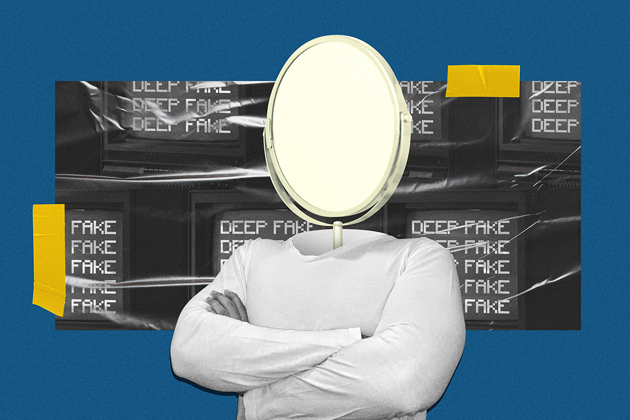
A CNET survey found that only 44% U.S. adults who use social media are confident they can tell the difference between real content and content that was created or altered by AI, potentially leaving them vulnerable to disinformation, fraud and abuse. Almost three-quarters of social media users (72%) take steps to determine if images or videos are legitimate. These actions include looking for visual cues like out-of-place lighting or shadows, distorted hands or skin textures, and odd backgrounds (60%); scanning for labels indicating content was AI-generated (30%); searching for the image or video elsewhere online (25%); and using deepfake detection tools (5%). However, 25% of social media users do nothing—including 36% of Boomers and 29% of Generation X.
This uncertainty has contributed to negative attitudes concerning AI content, with 28% saying that it provides little to no value. Half of those surveyed believe AI content needs better labeling, and 36% think it should be better regulated on social media with labeling requirements, frequency caps or restrictions on which accounts are permitted to post such material. One in five adults (21%) thought AI content should be prohibited from social media platforms altogether.